Get Well Water Testing in Lincoln, NE
Well water testing services for Lincoln, NE help property owners identify contamination, mineral levels, and water quality issues for residential or commercial well systems.
Property owners in Lincoln, NE considering well water testing often seek reliable local contractors to assess water quality and safety. Whether preparing for a property purchase, addressing concerns about water taste or odor, or ensuring compliance with health standards, having accurate information is essential. Exploring available testing services can help identify potential contaminants and determine if additional treatment or maintenance is needed, supporting informed decisions about water use and property management.
Comparing options among nearby service providers allows property owners to find experienced professionals who understand the specific water quality challenges in Lincoln and surrounding areas. Access to local expertise can simplify planning projects related to well maintenance, water safety, and system upgrades. Continuing to read can provide valuable insights into how local contractors can assist with testing needs and help ensure the safety of your water supply.
- Well Water Testing - when homeowners notice changes in water taste, odor, or clarity in neighborhoods around Lincoln, NE.
- Water Contamination Screening - if there are concerns about potential pollutants affecting private well supplies in areas like southeast Lincoln.
- Water Quality Analysis - when residents want to ensure their well water meets safety standards for drinking and household use.
- Well Water Inspection - prior to property transactions or after experiencing issues with water appearance or smell in local communities.
- Water Safety Testing - for households in rural or suburban parts of Lincoln that rely on private wells for daily water needs.
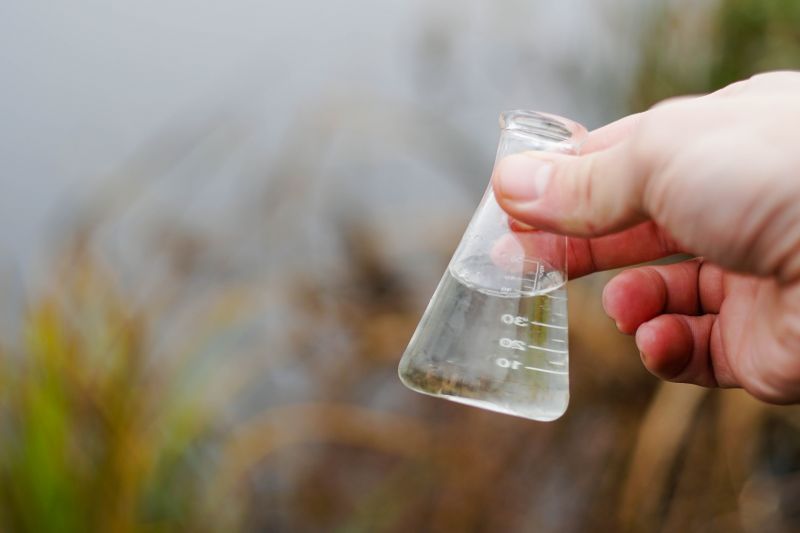
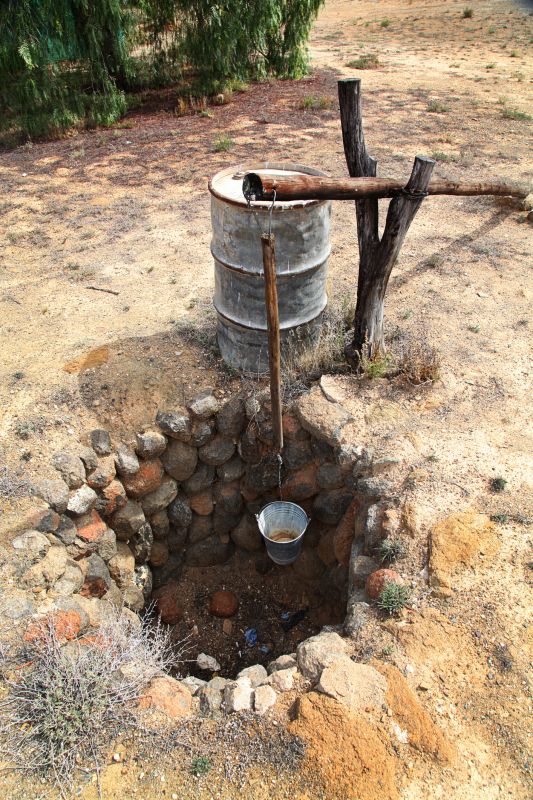
Well water testing services involve analyzing a property's water supply to identify potential contaminants, mineral levels, and overall water quality. This process typically includes collecting water samples and sending them to a laboratory for detailed analysis. The goal is to detect substances such as bacteria, nitrates, heavy metals, or other pollutants that could affect health or impact the functionality of household appliances. Regular testing helps homeowners ensure their well water remains safe for drinking, cooking, and other daily uses, providing peace of mind about the quality of their water supply.
Many problems can be addressed through well water testing, including foul odors, discoloration, or a sudden change in taste. If a household notices these signs or if there are concerns about possible contamination, testing can identify the underlying issues. It can also reveal mineral buildup that might cause scale formation in plumbing or appliances, or detect bacteria that could pose health risks. Identifying these problems early allows for appropriate treatment or filtration solutions, helping to prevent more costly repairs or health issues down the line.
Properties that typically use well water testing services include rural homes, farms, or properties located outside municipal water systems. These homes rely entirely on private wells for their water needs, making regular testing especially important. Additionally, properties with older well systems, those experiencing water quality problems, or new homeowners who want to verify water safety often seek out testing services. Even some small businesses or community facilities that depend on well water may use testing to maintain safe and reliable water supplies.
Homeowners should consider well water testing if they notice changes in water appearance, smell, or taste, or if they want to proactively monitor water quality. It is also advisable to test after repairs or modifications to the well system, or if local environmental conditions suggest potential contamination risks. By working with local service providers, homeowners can access professional testing and guidance on appropriate treatment options, ensuring their water remains safe and clean for everyday use.
The overview below groups typical Well Water Testing projects into broad ranges so you can see how smaller, mid-sized, and larger jobs often compare in Lincoln, NE.
In many markets, a large share of routine jobs stays in the lower and middle ranges, while only a smaller percentage of projects moves into the highest bands when the work is more complex or site conditions are harder than average.
Basic Water Testing - Many local contractors charge between $150 and $300 for routine well water tests that check for common contaminants. Most standard tests fall within this range, covering basic safety parameters for residential wells.
In-Depth Analysis - More comprehensive testing, including additional contaminants or detailed analysis, typically costs between $300 and $600. Larger or more complex properties may see prices toward the higher end of this range.
System Repairs or Small Repairs - Minor repairs or maintenance on well systems often cost between $250 and $600, depending on the scope of work and parts needed. Many projects in this category tend to stay within this middle range.
Full System Replacement - Replacing an entire well system or performing extensive upgrades can range from $2,000 to $5,000 or more. Larger, more complex projects are less common and tend to push into the highest price tiers.
Actual totals will depend on details like access to the work area, the scope of the project, and the materials selected, so use these as general starting points rather than exact figures.
Water quality testing - local contractors who perform well water testing often have experience with sampling, analyzing, and interpreting water quality results.
Well installation and repair - professionals in well installation and repair use similar planning and technical skills as those involved in water testing to ensure proper system function.
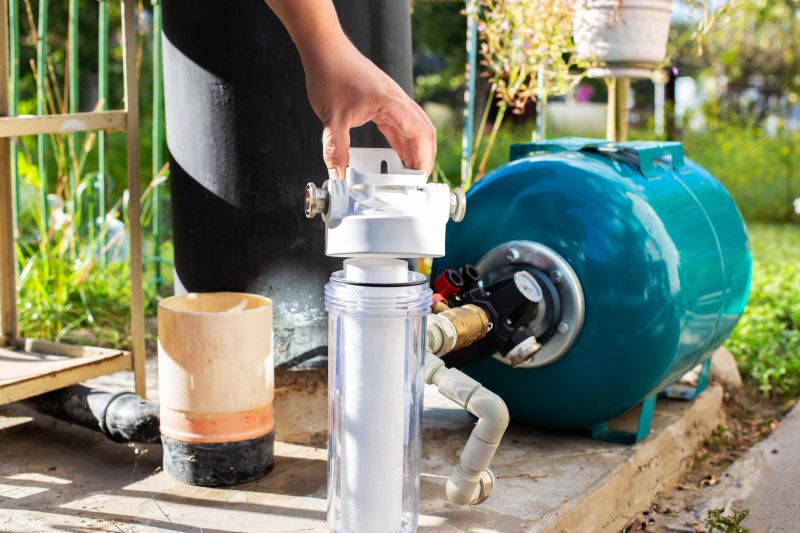
Water filtration system setup - setting up and maintaining water filtration systems requires knowledge of water quality and contaminants, aligning with well water testing expertise.
Water sample collection services - sample collection for various water testing needs involves similar procedures and attention to detail as well water testing projects.
Water contamination assessment - assessing water contamination sources shares skills in sampling, analyzing, and understanding water quality issues with well water testing.
Water treatment system consultation - advising on water treatment solutions involves understanding water quality data, which is related to the skills used in well water testing.
When evaluating service providers for well water testing, it’s important to consider their experience with similar projects in Lincoln, NE, or nearby areas. A contractor with a history of handling well water assessments can demonstrate familiarity with local water conditions and common issues, which can contribute to more accurate testing and reliable results. Homeowners should inquire about how long the provider has been performing well water testing and whether they have worked on properties similar in size or water system type, as this can be an indicator of their expertise and understanding of local water concerns.
Clear, written expectations are essential when choosing a water testing service. Reputable local contractors should be able to outline what the testing process involves, what types of contaminants or issues they will evaluate, and how the results will be communicated. Homeowners are encouraged to request detailed information upfront to ensure there is a shared understanding of the scope of work. This transparency helps prevent misunderstandings and ensures that both parties are aligned on the services provided, making it easier to compare different providers effectively.
Reliable references and strong communication are key factors in selecting a well water testing professional. Reputable service providers should be able to offer references from previous clients who had similar testing needs. Additionally, good communication-such as prompt responses to questions and the ability to explain findings clearly-can indicate a provider’s professionalism and dedication to customer service. It’s important to remember that these local options are introduced to help homeowners connect with qualified service providers, not to perform the testing themselves. Homeowners should take time to verify the credentials and communication style of potential contractors to find a trusted partner for their well water testing needs.
Property owners in Lincoln, NE use Well Water Testing services for practical projects around their homes and businesses. This guide focuses on everyday jobs and straightforward project options.
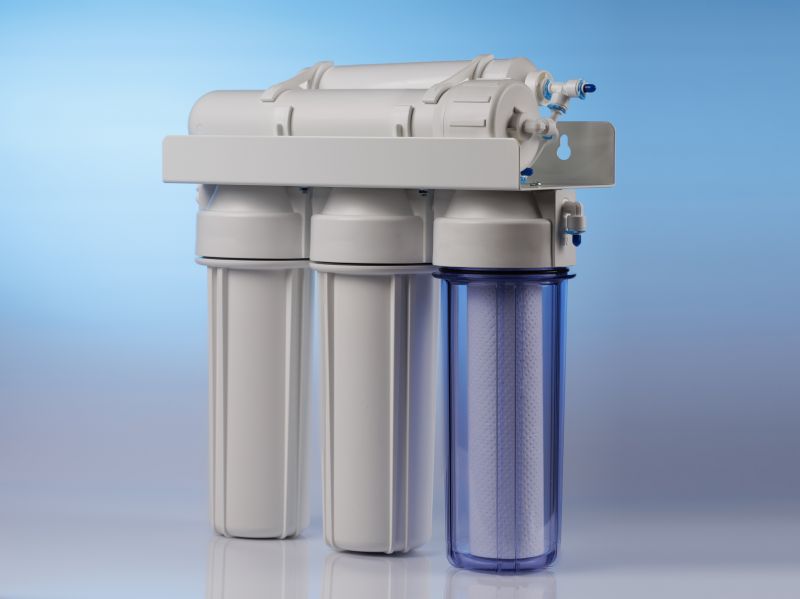
Property owners in Lincoln, NE may seek well water testing services when they notice changes in water quality, such as unusual odors, discoloration, or sediment. These signs can indicate potential contamination or issues with the underground water source, prompting homeowners to ensure their water remains safe for daily use. Additionally, individuals planning to purchase or sell a property might require testing to verify water safety and compliance with local standards, helping to avoid future complications or health concerns.
In other situations, property owners might consider well water testing after experiencing a drop in water pressure or taste differences that don’t resolve with routine maintenance. Rural residents relying on private wells often turn to local contractors to assess the condition of their water supply, especially before installing new appliances or landscaping projects. These services provide peace of mind by identifying possible contaminants or system problems that could impact health or water system performance.
Why should I test my well water? Testing well water helps identify potential contaminants or issues that could affect health or water quality, ensuring safe and clean water for household use.
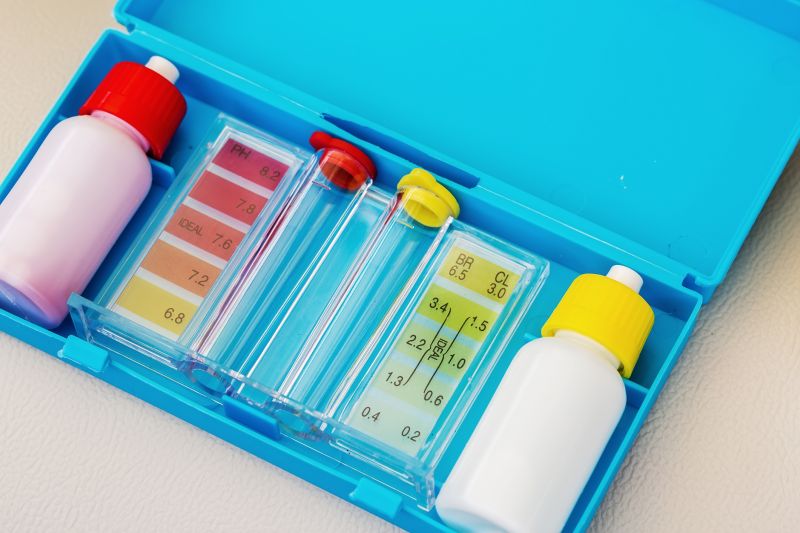
What types of tests are available for well water? There are various tests to check for bacteria, nitrates, pH levels, minerals, and other common contaminants, depending on local water conditions.
How often should I have my well water tested? Regular testing is recommended at least once a year, or more frequently if there are changes in water taste, odor, or appearance.
What issues can well water testing reveal? Testing can detect bacteria, heavy metals, chemical contaminants, and mineral levels that may impact water safety and quality.
How do I find local contractors for well water testing? Contacting local service providers or specialists who offer water testing services can help arrange testing and get professional advice on water quality.
Water Quality Assessment - Property owners can have local contractors test well water to ensure it meets safety standards for daily use and consumption.
Contaminant Detection - Homeowners can identify potential pollutants in their well water, such as bacteria or chemicals, to address health concerns.
Water Treatment Planning - Those with well water issues can work with local service providers to develop treatment solutions for better water quality.
Regular Testing Services - Residents can schedule periodic tests to monitor well water quality over time and maintain safe water for their household.
If you are thinking about Well Water Testing for a property in Lincoln, NE, this guide is meant to help you understand the work, the typical project types, and how different options might fit your plans.
When you are ready, you can use the quote form on this page to share a few details about your project. From there, local pros can review the basics and respond with options that match what you have in mind.