Understanding Well Water Testing Costs
Understanding the factors influencing the cost of well water testing is essential for property owners and homeowners. Variations depend on testing scope, location, and specific contaminants. This page provides detailed insights into typical costs, influencing factors, and related services.
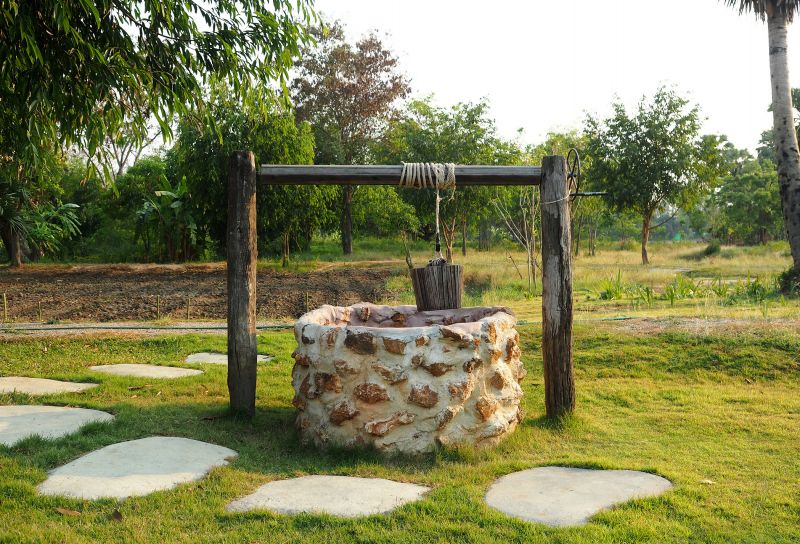
Deeper wells may incur higher testing costs due to increased sampling complexity.
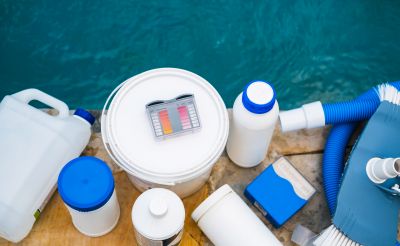
Testing for multiple contaminants can influence overall costs, depending on the scope.
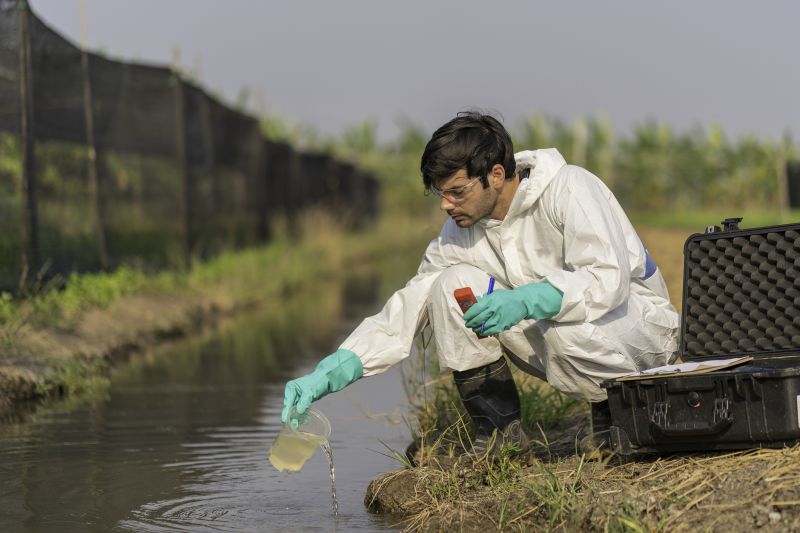
Labor-intensive procedures and specialized equipment can add to testing expenses.
| Factor | Impact on Cost |
|---|---|
| Number of Contaminants Tested | Higher number increases cost |
| Testing Frequency | One-time testing is less expensive than ongoing tests |
| Sample Collection Method | Automated collection may add to costs |
| Laboratory Location | Tests sent to distant labs may cost more |
| Type of Testing | Standard tests are cheaper than comprehensive panels |
| Sample Volume | Larger sample sizes can increase expenses |
| Urgency of Results | Expedited testing incurs higher fees |
| Additional Analyses | Specialized tests like heavy metals or pesticides cost more |
The cost of well water testing typically ranges from a few hundred to over a thousand dollars, depending on the scope and number of contaminants analyzed. Basic tests for common contaminants like bacteria and nitrates often cost between 100 and 300 dollars. Comprehensive panels that include heavy metals, pesticides, and other specific pollutants can range from 500 to 1500 dollars or more. Factors such as sample collection method, laboratory location, and testing urgency can further influence these costs. Regular testing is recommended to ensure water safety, especially in areas with known contamination issues.
Additional costs may include sample collection kits, transportation fees, and follow-up testing if initial results indicate potential issues. It is advisable to consult with certified laboratories to understand all potential expenses and testing options tailored to specific well conditions. Proper planning and understanding of these costs can help property owners budget effectively for maintaining water quality and safety.
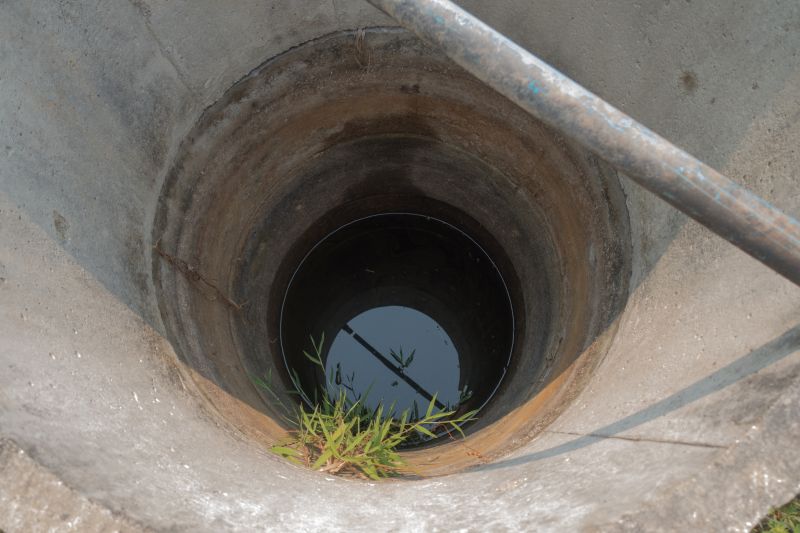
Testing inside the well includes sampling of the water source and inspecting the casing and pump for potential issues.
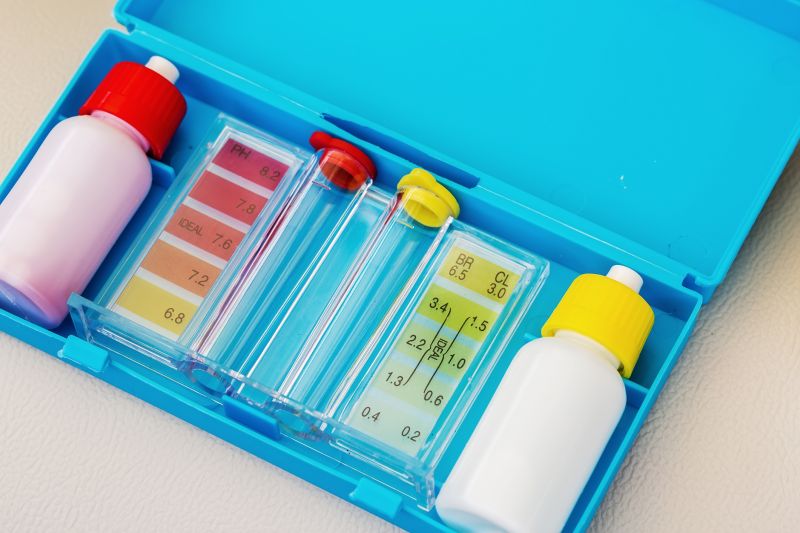
Proper collection techniques are essential for accurate testing, affecting overall costs.

Advanced analysis for specific contaminants can add to the testing expenses.
| Service | Average Price |
|---|---|
| Bacterial Contaminant Testing | $100 - $200 |
| Nitrate/Nitrite Testing | $80 - $150 |
| Heavy Metals Testing | $200 - $400 |
| Pesticide Testing | $250 - $500 |
| Radon Testing | $150 - $300 |
| Chemical Contaminant Testing | $300 - $700 |
| Complete Water Panel | $400 - $1500 |
| Follow-up Testing | $100 - $300 |
| On-site Testing Kits | $50 - $150 |
| Laboratory Analysis (specialized) | $200 - $600 |